

The Overlooked Wearables Families Should Know About
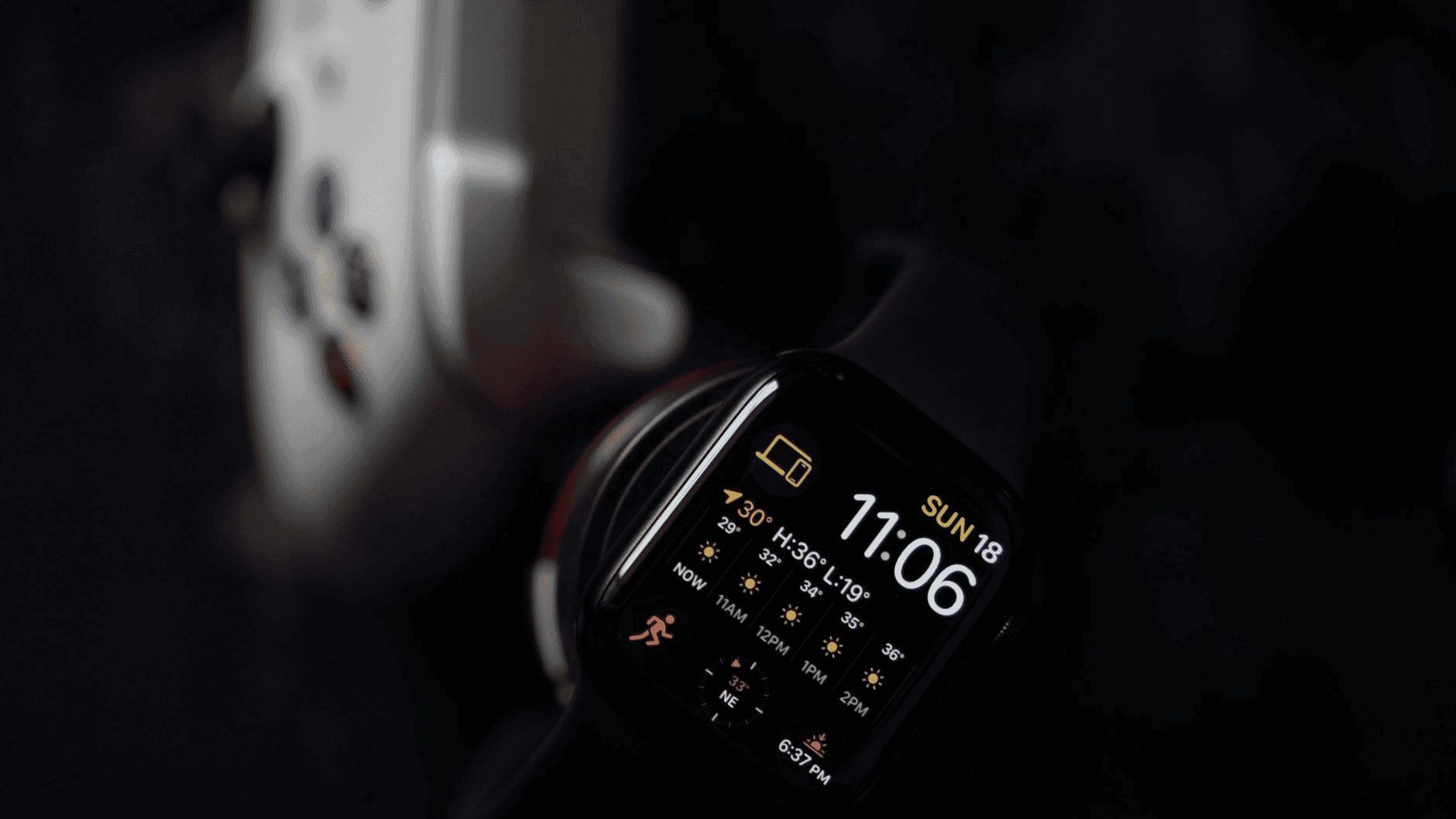
Most people think of wearables as fitness trackers or flashy watches for teenagers. From what I have seen, that view leaves out a whole group of devices that support older relatives, young children and busy parents. In this piece, I want to cover the overlooked wearables families should know about, from medical alert devices to sleep tracking rings. Each one can offer real peace of mind when it is chosen with care.
At DJ Steve Jones, we write about healthy living from several angles, and wearable technology fits into that conversation. We have noticed readers searching for these tools after a scare, such as a fall at home or a child who wandered away at the park. Waiting for an emergency is a hard way to learn what is available. Planning ahead gives families time to compare features and find what fits their daily routine. Even a short look at the options now can save a lot of stress later.
Families who want a structured overview before comparing individual products can explore this topic. A focused guide on medical alert devices can be a helpful starting point. In my own reading, having a clear overview first made the later comparisons much easier. The rest of this guide will help you narrow the options once you have a sense of the basics.
Why Overlooked Wearables Deserve a Spot in Family Health Planning
Family health planning usually centers on appointments, medications and healthy meals. Wearables often get left out, even though they can fill small gaps between visits. A watch or pendant can notice a problem or send a message when no one is in the room. I think families often underestimate how much those small gaps add up over a year.
I have found that the best wearables are the ones people wear every day. A device that sits in a drawer does nothing for anyone. Comfort and battery life matter more than a long list of features, and simple controls make a device easier to use at home. We have seen that people keep wearing a device more often when they helped choose it.
Matching the wearable to the real need also helps. A parent with a toddler and a grandparent with memory concerns will need very different tools. Some families want location tracking, while others want fall alerts. Starting with the main worry keeps the search focused and stops families from paying for features they will never use at home.
Medical Alert Wearables for Older Parents and Grandparents
These devices are often worn as a pendant on a cord or as a wristband. Many models include a button that connects the wearer to a monitoring service or an emergency contact. Families should also look at how help reaches the right person, since some systems rely on a home base unit while others use cellular connections. For people who live alone, that connection can make a real difference during a sudden illness. I have seen families feel much calmer once a device like this is in place.
Fall Detection and Automatic Alerts
Fall detection is one of the most discussed features in this category. Some wearables use motion sensors to pick up a sudden drop or an unusual movement pattern. If the wearer does not respond to a prompt, the device can alert a family member. Falls may not always be detected, so I see this feature as one layer of support in a wider plan.
Automatic alerts also depend on the wearer keeping the device charged. A pendant with a dead battery offers no protection at all. I suggest setting a weekly charging reminder on a phone or family calendar. A reminder like that keeps the device ready when it is needed.
GPS Watches and Location Trackers for Children
Children need more independence as they grow, and that can make parents nervous. Kid-friendly GPS watches let a parent see a child’s location through a phone app. Many models also let approved contacts call or message the child. I have found that these watches work best when parents set them up together with the child’s daily routine in mind.
When I look at these devices, I focus on the settings that limit who can reach the child. Approved contact lists and school mode features can reduce unwanted messages. Parents should test location updates at home before the first school day, which gives them a chance to spot problems early.
Battery Life and Privacy Basics
Battery life is another practical point for busy families. Some watches need charging every night, while others last several days. A child who forgets to charge the watch will lose tracking without warning, so I like to set a spot by the front door for the charger. Privacy deserves attention too, since location data is sensitive. Parents should read how the app stores and shares information. Turning on account security features and using a strong password helps protect the family.
Sleep Rings and Heart Rate Bands for the Whole Household
Some wearables have nothing to do with emergencies. Many people already wear a watch to count steps, so the basic idea is familiar to most families. Sleep rings and heart rate bands track patterns that can help households understand daily rest and activity. For busy homes, the data can open a helpful conversation about habits at meals, exercise and bedtime.
We often recommend these tools as a supplement to regular checkups. A device can show trends, such as restless nights or a higher resting heart rate on certain days. It cannot diagnose a condition, and any worrying pattern deserves a talk with a healthcare professional. I think that message matters most when a family first starts looking at the data.
Sharing the data works best when the whole household agrees on the goal. A teenager may enjoy tracking steps, while an older parent may prefer a simple weekly summary. Shared goals, like a family walk after dinner, often work better than strict targets. In my experience, the families who stick with it are the ones who talk about the numbers together.
Practical Checks Before Buying Family Wearables
Before buying any wearable, I like to run through a short checklist. This keeps the search grounded in real needs. It also helps families compare devices fairly, even when prices and features look similar on the surface. I have found that a checklist keeps everyone focused on the same points.
A Simple Checklist for Busy Households
- Confirm the main purpose, such as alerts, location or health trends
- Check how the device connects, through Bluetooth, Wi-Fi or cellular service
- Read the battery life and charging routine for each wearer
- Review subscription fees and what happens if service is cancelled
- Look at privacy settings and who can see the data
Subscription costs are easy to overlook. Some wearables need a monthly plan to work fully, and that cost can add up across several family members. Asking about cancellation terms before buying avoids surprises later.
A device that is hard to configure can frustrate even the most patient household. I recommend involving the person who will wear the device before you commit. Comfort and dignity count for a lot, especially for older adults and teenagers. A short trial at home lets everyone share honest feedback.
Bringing Overlooked Wearables Into Your Home
Wearables can offer families more than fitness numbers and sleek designs. Medical alert devices, location trackers and health bands each serve a different purpose. The right choice depends on who will wear the device and what worries your household most. Matching the tool to the need usually leads to better results over time.
The options should look a little clearer by now. Start by naming the main concern in your family, whether that is fall risk, a child’s safety or sleep. Then compare a few devices against the checklist above. Each step gets you closer to a setup that works for everyone.
If you still want a structured starting point, return to the overview mentioned earlier in this guide. It can help you understand the categories before you look at specific products. Keep reading our healthy living articles too, since good habits and good tools work well together.
This week, pick one wearable idea and talk it over with the people it would support. Set a date to review your options together and write down what matters most. Then start comparing devices with that list in hand. Your family deserves that kind of planning, and the right device can make everyday life feel a little easier.